




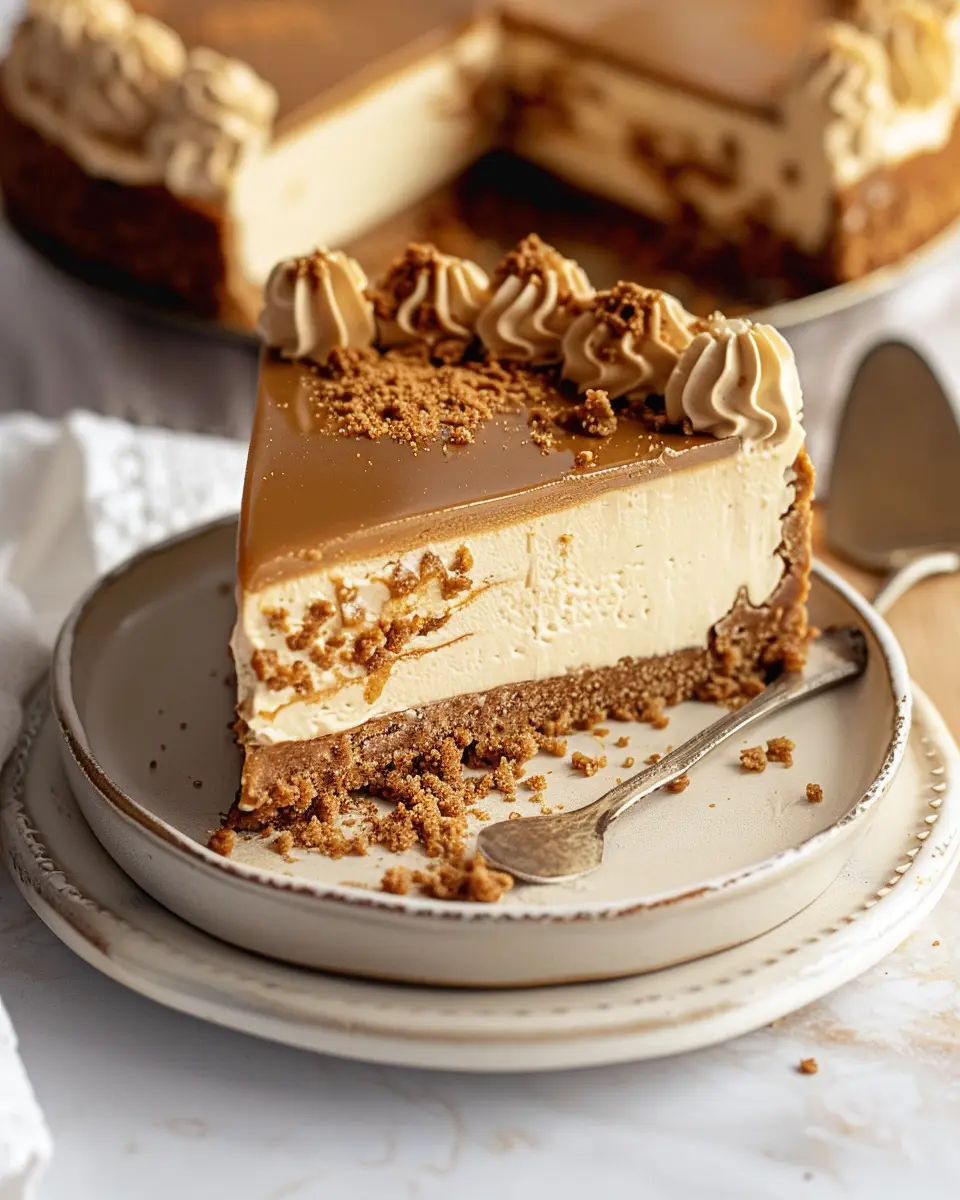
Introduction to Biscoff Cheesecake
If you haven’t yet discovered Biscoff cheesecake, you’re in for a treat that will elevate your dessert game to a whole new level. This delightful concoction combines the creamy smoothness of traditional cheesecake with the unique, spiced flavor of Biscoff cookies, creating a dessert that’s both familiar and intriguingly new. So, what makes this cheesecake so utterly irresistible?
What makes Biscoff cheesecake irresistible?
First off, let’s talk about the crust. Biscoff cookies, also known as speculoos, have a crunchy texture with hints of cinnamon and caramel. When crushed and blended with butter, they form the perfect base that adds a deliciously warm spice to every bite. Imagine the moment when your fork sinks into that buttery crust—pure bliss!
Now onto the filling. A Biscoff cheesecake is creamy, rich, and perfectly sweetened. The addition of Biscoff spread swirled into the cheesecake mixture brings an added layer of flavor that’s simply divine. You might be wondering how easy it is to make this dessert. The good news is that it’s surprisingly straightforward! With just a few key steps, you can whip up this indulgent treat that will impress friends and family at your next gathering.
Additionally, this dessert can fit various occasions. Thinking about hosting a dinner party or a casual get-together? A Biscoff cheesecake is always a crowd-pleaser. Not only is it visually stunning, but it’s also a conversation starter. Guests will be curious about this exciting flavor combination, and you can bask in the glory of being the ultimate host.
Don’t take our word for it—check out this Biscoff cheesecake recipe article for some inspiration!
In summary, with its crunchy Biscoff crust and creamy filling infused with the signature flavors of Biscoff, this cheesecake will undoubtedly satisfy your sweet tooth. Whether you’re a seasoned baker or a novice in the kitchen, making a Biscoff cheesecake is an adventure worth taking. Ready to get started? Let’s dive into the full recipe!
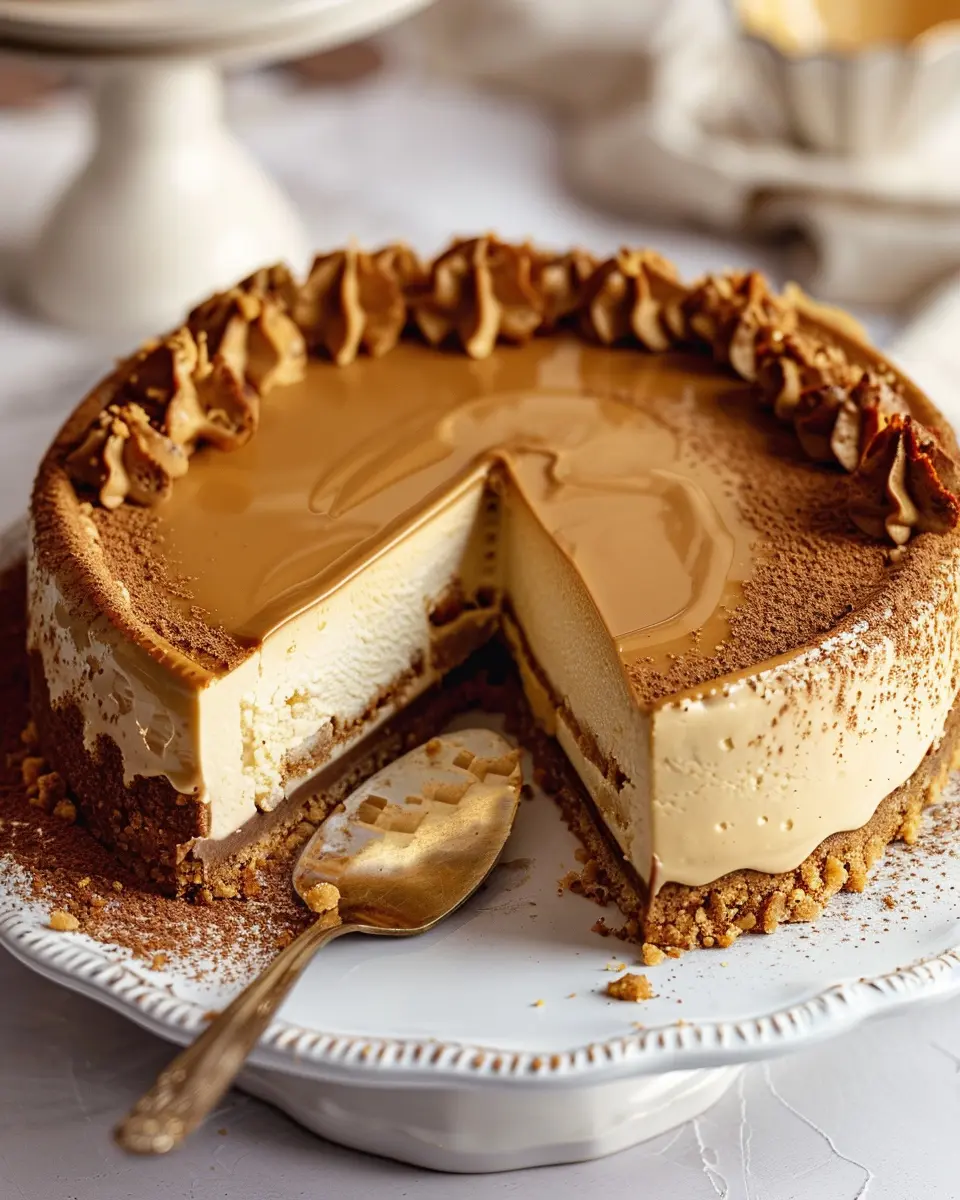
Ingredients for Biscoff Cheesecake
Essential ingredients for the crust
To kick off your Biscoff cheesecake, you’ll need a delectable crust that sets the stage for the rich flavors to come. Here’s what you’ll require:
- Biscoff Cookies: About 200g, crushed into fine crumbs for that signature caramel flavor.
- Unsalted Butter: Roughly 100g, melted to bind the crumbs together.
Key ingredients for the creamy filling
The star of the show is, of course, the creamy filling. This is where the magic happens! Gather these key ingredients:
- Cream Cheese: Two 250g packages, softened to create that smooth consistency.
- Biscoff Spread: Around 200g for that deliciously rich, spiced flavor (don’t skimp on this!).
- Powdered Sugar: 100g for just the right touch of sweetness.
- Heavy Cream: 250ml, whipped until you have soft peaks for a light texture.
Toppings that elevate your cheesecake
Toppings can take your Biscoff cheesecake from great to extraordinary! Consider these optional enhancements:
- Drizzled Biscoff Spread: For an extra layer of flavor.
- Crushed Biscoff Cookies: Sprinkle on top for added crunch.
- Fresh Whipped Cream: A dollop can really elevate the presentation (not to mention the taste!).
With these ingredients in hand, you’re well on your way to impressing friends and family! If you want to get additional ideas, check out Serious Eats or BBC Good Food for some tasty inspirations. Happy baking!
Preparing Biscoff Cheesecake
Creating a Biscoff cheesecake is a delightful journey into the world of creamy textures and spiced flavors. If you’re ready to impress your friends or treat yourself with this irresistible dessert, let’s dive into each step!
Crafting the Perfect Crust
The crust is the foundation of your Biscoff cheesecake, and it’s simple yet essential. Here’s what you’ll need:
- Biscoff cookies (about 250 grams)
- Unsalted butter (1/2 cup), melted
Start by preheating your oven to 350°F (175°C). While the oven warms up, crush those Biscoff cookies into fine crumbs. You can use a food processor for ease or a rolling pin and a zip-top bag if you prefer a more hands-on approach. The goal is uniform crumbs that will form a delicious base.
Next, mix the cookie crumbs with the melted butter in a bowl until it resembles wet sand. Press this mixture firmly into the bottom of a greased springform pan. This helps create a solid structure that will hold your cheesecake together. Bake the crust for about 10 minutes, then remove it and let it cool while you prepare the filling.
Creating the Cheesecake Batter
Now, for the star of the show: the cheesecake filling itself. Gather the following:
- Cream cheese (2 packages, softened)
- Sugar (3/4 cup)
- Sour cream (1 cup)
- Vanilla extract (1 teaspoon)
- Biscoff spread (1 cup)
- Eggs (3 large)
In a large mixing bowl, combine the softened cream cheese and sugar. Beat these ingredients together until they are smooth and creamy, with no lumps. It’s essential to have your cream cheese at room temperature so that it blends well.
Add in the sour cream, vanilla extract, and Biscoff spread to the mixture, blending until fully incorporated. The key here is to scrape down the sides of the bowl frequently, ensuring every ingredient gets mixed evenly. Finally, mix in the eggs one at a time, just until combined. Over mixing at this stage can introduce air bubbles, which may lead to cracks!
Filling Up the Springform Pan
With your crust cooled, it’s time to create your Biscoff cheesecake. Pour the creamy filling over the baked crust, smoothing the top with a spatula. Ensure it’s evenly distributed and looks luscious. For an added touch, consider swirling in extra Biscoff spread on top for a marbled effect.
Baking the Cheesecake to Perfection
Carefully transfer the springform pan into the preheated oven. It’s a good idea to bake the cheesecake in a water bath to prevent cracking. Simply place your baking pan inside a larger one filled with hot water, ensuring the water doesn’t touch the cheesecake itself.
Bake for approximately 50-60 minutes or until the edges are set and the center is slightly jiggly. Remember, it will continue to set as it cools, so don’t worry if it looks a touch underbaked.
Allowing Your Cheesecake to Chill
Once baked, turn off the oven, crack the door open, and let the cheesecake cool in the oven for about an hour. This gradual cooling process helps reduce the chance of cracks. After an hour, refrigerate it for at least 4 hours, though overnight is best for optimal texture and flavor development.
When you’re ready to serve your amazing Biscoff cheesecake, loosen the edges with a knife. Remove the sides of the springform pan, slice, and enjoy! Decorate with whipped cream or more Biscoff cookies if desired.
By following these steps, you’re in for a delicious treat that will have everyone asking for seconds! If you’re seeking more inspiration, check out sites like Bon Appétit or Food Network for additional tips and variations. Happy baking!
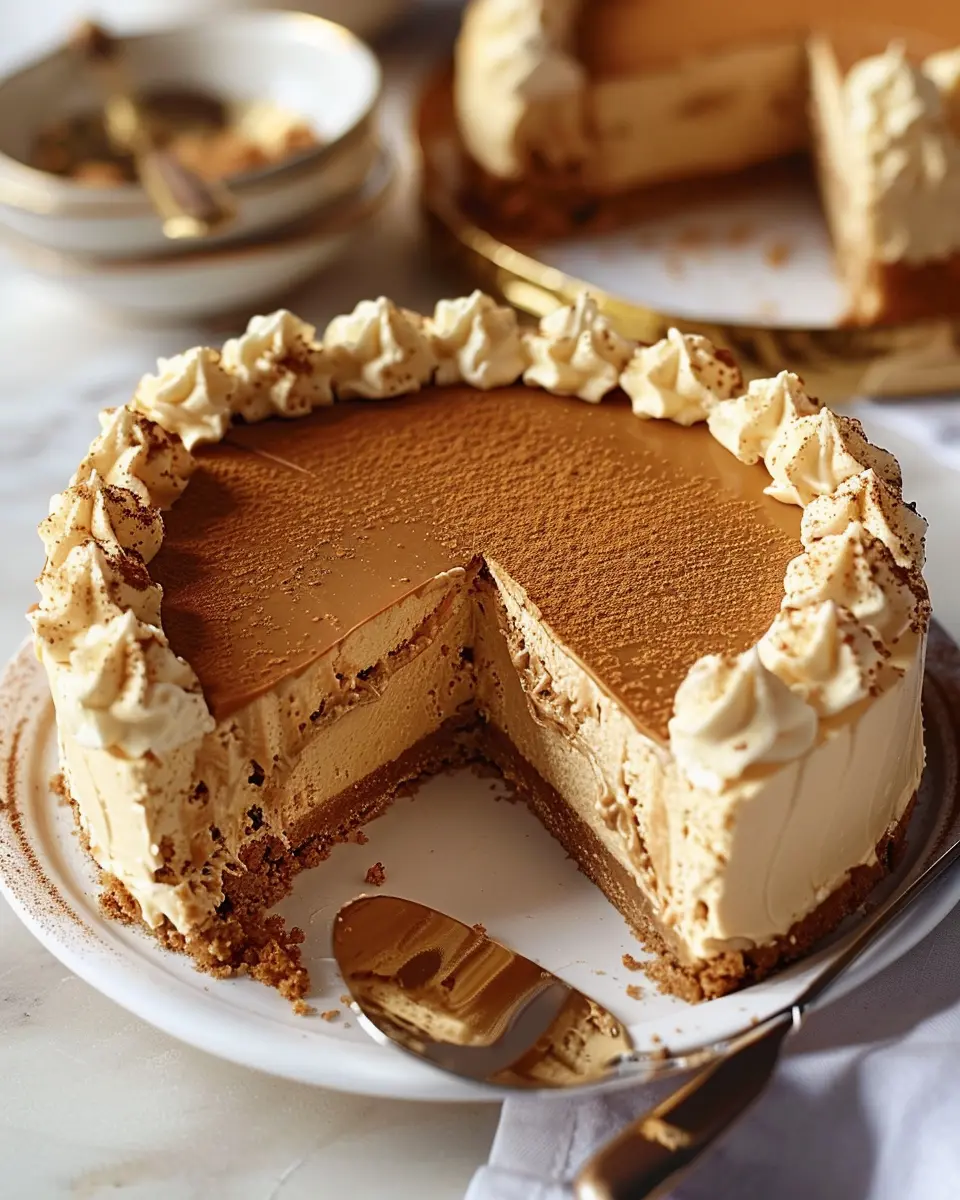
Variations on Biscoff Cheesecake
When it comes to Biscoff cheesecake, the possibilities are truly endless! Whether you’re accommodating dietary preferences or simply exploring new flavors, here are two delightful variations you can try.
Vegan Biscoff Cheesecake
For those embracing a plant-based lifestyle, a vegan Biscoff cheesecake is both easy to make and irresistibly creamy. Instead of traditional cream cheese, you can use silken tofu or cashew cream, which will give you that rich texture without the dairy.
Ingredients for vegan version:
- 1 cup of raw cashews (soaked)
- ½ cup coconut cream
- ¼ cup maple syrup for sweetness
- 1 teaspoon vanilla extract
- Vegan Biscoff cookies for the crust
Simply blend the soaked cashews, coconut cream, maple syrup, and vanilla until smooth, then pour it over your cookie crust and chill. This vegan twist not only tastes fantastic but also allows everyone to indulge no matter their dietary restrictions. Curious about more plant-based goodies? Check out Plant-Based News.
Low-Sugar Biscoff Cheesecake
If you’re watching your sugar intake, a low-sugar Biscoff cheesecake can be just as delicious. The key is to replace sugary ingredients with natural sweeteners.
For a low-sugar option, try:
- Using a sugar substitute like erythritol or stevia.
- Reducing the amount of Biscoff cookies by using whole-grain or low-sugar alternatives for the crust.
This version retains the beloved flavors while significantly cutting down on the sugar content. It’s perfect if you want to enjoy dessert guilt-free but still savor the taste of your favorite Biscoff cheesecake.
Incorporating these variations can help you impress friends and family, all while maintaining dietary preferences and health goals. Happy baking!
Baking Notes for Biscoff Cheesecake
Common Pitfalls and How to Avoid Them
When making your biscoff cheesecake, it’s easy to encounter a few common mishaps. One frequent issue is a cracked top. To avoid this, always bake your cheesecake in a water bath. This gentle heat keeps the texture creamy and minimizes drying out. Also, make sure your cream cheese is at room temperature to prevent lumps—nobody wants a chunky cheesecake!
Tips for Achieving the Perfect Texture
The texture is key when it comes to biscoff cheesecake. For a velvety smooth finish, beat your cream cheese until fluffy before adding other ingredients. Incorporate eggs individually to ensure even blending, and avoid over-mixing once you add them. It’s crucial not to rush the chilling process; a minimum of four hours in the fridge will help it set properly. If you prefer a firmer texture, consider adding a bit more Biscoff spread.
By following these tips, your biscoff cheesecake will undoubtedly be a hit at any gathering! For more baking tips, check out resources like King Arthur Baking or America’s Test Kitchen.
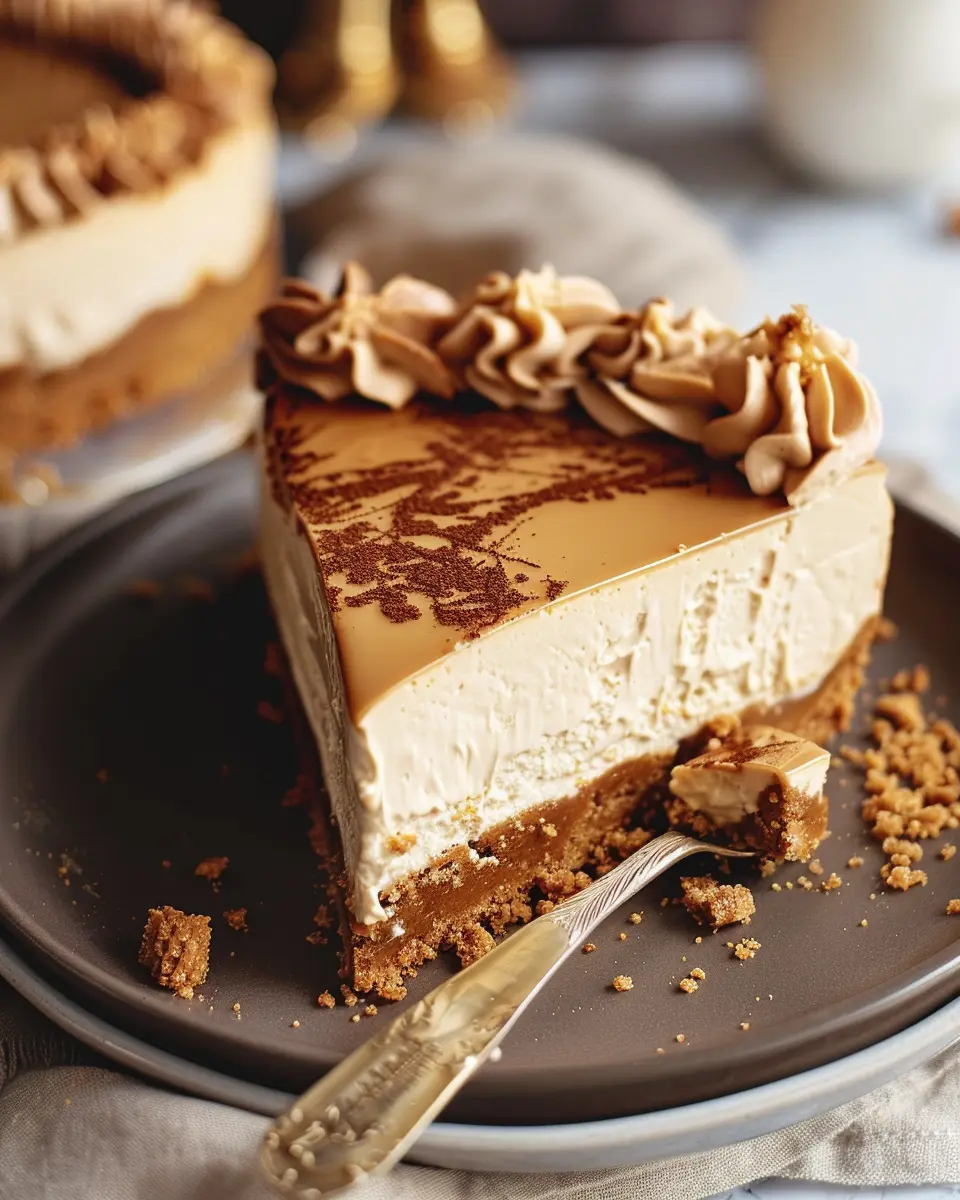
Serving suggestions for Biscoff Cheesecake
Pairing with coffee or tea
The delightful flavor of Biscoff cheesecake makes it a versatile dessert that pairs beautifully with both coffee and tea. For a classic combination, serve your cheesecake with a rich espresso or a smooth latte. This contrast enhances the caramel and spice notes of the Biscoff biscuits, creating a harmonious balance. If you prefer tea, opt for a robust black tea to complement the creaminess of the cheesecake. A chai latte can also work wonders, as its warm spices echo those found in the Biscoff flavors.
Creative ways to present your cheesecake
Presentation is key when it comes to elevating your Biscoff cheesecake experience. Try serving individual portions in small mason jars for a delightful rustic touch. Top each one with a dollop of whipped cream and a sprinkle of crushed Biscoff biscuits to entice your guests.
Alternatively, create a Biscoff cheesecake trifle by layering pieces of the cheesecake with whipped cream and Biscoff crumbs in a glass dish. This not only looks stunning but also adds an exciting texture to each bite. Discover more unique serving ideas here.
With these suggestions, you can take your Biscoff cheesecake to the next level and impress your friends and family!
Tips for Making the Perfect Biscoff Cheesecake
Choosing the Right Cream Cheese
The foundation of any delicious Biscoff cheesecake is, without a doubt, the cream cheese. Look for a full-fat cream cheese for the creamiest, richest texture. Brands like Philadelphia are widely recommended due to their smooth consistency, making them perfect for cheesecakes. Avoid low-fat options as they can affect the cheesecake’s final texture and flavor. When using cream cheese, always check the expiration date to ensure freshness. Fresh ingredients yield the best results!
Importance of Room Temperature Ingredients
Did you know that using room temperature ingredients can significantly affect your cheesecake’s consistency? When you mix room temperature cream cheese, sugar, and other components, they blend together more smoothly, creating a luscious filling. To bring your cream cheese to room temperature, simply leave it out for about 30 minutes before you start baking. This tip makes a world of difference—trust me! It’s all about achieving that velvety texture that makes your Biscoff cheesecake irresistible.
Remember, for the best outcome, every ingredient—eggs, sour cream, and even butter—should be at room temperature. This straightforward step is often overlooked but crucial. It helps in achieving an even bake and a beautifully creamy filling.
By following these simple tips, you’ll be well on your way to making an effortlessly delightful Biscoff cheesecake that will impress your friends and family! For more baking insights, check out expert advice on making cheesecakes from sources like Genius Kitchen or BBC Good Food.
Time details for Biscoff Cheesecake
Preparation time
Making the Biscoff cheesecake is a breeze! You’ll need about 20-30 minutes to gather ingredients and prepare the crust. Pro tip: use a food processor for a smoother crumb blend.
Baking time
Before you dive into the chilling process, you’ll want to bake your cheesecake for around 50-60 minutes. This sets a perfectly creamy texture, which you can check by gently wiggling the pan; it should have a slight jiggle.
Chilling time
The star of your Biscoff cheesecake will shine after 4-6 hours in the fridge. Overnight chilling is ideal, allowing those flavors to meld beautifully. Trust me, it’s worth the wait!
For more tips on perfecting your cheesecake or to explore additional dessert recipes, consider checking out resources like Serious Eats for expert advice and techniques. Happy baking!
Nutritional Information for Biscoff Cheesecake
When indulging in a slice of Biscoff cheesecake, it’s only natural to wonder about its nutritional profile. Here’s a quick breakdown to keep you informed while you enjoy this delightful treat:
Calories
A serving of Biscoff cheesecake typically contains around 300–350 calories. This makes it a perfectly indulgent dessert without completely derailing your healthy eating goals.
Protein
With its creamy ingredients, a serving offers approximately 4–6 grams of protein. While not a protein powerhouse, it’s balanced enough to satisfy your sweet tooth.
Sugar Content
Expect about 20–25 grams of sugar per slice. This sugar mainly comes from the Biscoff cookies and the cream cheese, giving you that sweet, caramelized flavor that makes this dessert so beloved.
For more detailed nutritional insights, you can check sources like Nutritional Insights or MyFitnessPal for deeper analysis on specific ingredients if you’re counting macros or calories. Enjoy this rich dessert and remember — moderation is key!
FAQs about Biscoff Cheesecake
Can I freeze my Biscoff cheesecake?
Yes, you can absolutely freeze your Biscoff cheesecake! To do this, let it cool completely after baking. Wrap it tightly in plastic wrap or aluminum foil to prevent freezer burn, then place it in an airtight container. When you’re ready to enjoy it, move the cheesecake to the fridge to thaw overnight. Just remember, while freezing can help preserve its flavor, the texture might change slightly, so it’s best enjoyed fresh.
How can I make my cheesecake less sweet?
If you find that your Biscoff cheesecake is a bit too sweet for your taste, there are a couple of simple hacks you can use.
- Reduce Sugar: Start by reducing the amount of sugar in the filling by 1/4 to 1/2 cup.
- Add Tanginess: Incorporating a bit more cream cheese or sour cream can balance the sweetness with a creamy tang.
- Use More Cookies: Opt for a mix of Biscoff and plain digestive biscuits for the crust. This adds flavor without increasing sweetness.
It’s always a great idea to taste and adjust before baking. You can read more about balancing flavors in desserts at Serious Eats.
What’s the best way to slice a cheesecake?
Slicing a Biscoff cheesecake can be tricky, but here are some pro tips to get those beautiful, clean slices:
- Use a Warm Knife: Dip a knife in hot water, then wipe it dry. This helps the knife glide through the cheesecake effortlessly!
- Clean Between Cuts: Wipe down the knife after each slice to keep the edges clean and neat.
- Chill Before Slicing: Make sure your cheesecake is well chilled. A firmer cheesecake is much easier to slice.
Remember, presentation counts! Making those perfect slices can really impress your guests.
Conclusion on Biscoff Cheesecake
Creating a Biscoff cheesecake at home is not just a culinary achievement; it’s a joyful embrace of indulgence. There’s something incredibly satisfying about crafting a dessert that perfectly balances creamy richness and the delightful flavor of Biscoff cookies.
Reflect on the connection made over sharing this dessert with friends or family. Homemade cheesecakes elevate any gathering, sparking smiles and compliments. Plus, the versatility of cheesecake recipes allows you to customize your creation for any palate.
So, whether you’re a seasoned baker or trying this for the first time, enjoy the journey of making your own unique Biscoff cheesecake. For more tips on perfecting your cheesecakes, check out this guide on dessert making.
PrintBiscoff Cheesecake Bliss: Easy Recipe for Decadent Indulgence
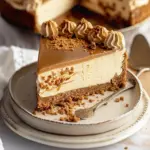
This Biscoff Cheesecake is the perfect combination of creamy, sweet, and a hint of spice, making it an indulgent treat for any occasion. Easy to prepare, this recipe will delight your family and friends!
- Prep Time: 20 minutes
- Cook Time: 60 minutes
- Total Time: 4 hours 20 minutes
- Yield: 12 servings 1x
- Category: Dessert
- Method: Baking
- Cuisine: American
- Diet: Vegetarian
Ingredients
- 2 cups Biscoff cookie crumbs
- 1/2 cup unsalted butter, melted
- 16 oz cream cheese, softened
- 1 cup granulated sugar
- 1 teaspoon vanilla extract
- 2 large eggs
- 1 cup heavy whipping cream
- 1/2 cup Biscoff spread
Instructions
- Preheat the oven to 325°F (160°C).
- In a bowl, mix Biscoff cookie crumbs with melted butter until combined. Press the mixture into the bottom of a 9-inch springform pan.
- In a large mixing bowl, beat the cream cheese and sugar until smooth. Add vanilla and mix well.
- Add the eggs one at a time, mixing well after each addition.
- In another bowl, whip the heavy cream until stiff peaks form, then gently fold it into the cream cheese mixture.
- Pour the cream cheese mixture over the crust in the springform pan.
- Spoon dollops of Biscoff spread on top and swirl with a knife for decoration.
- Bake for about 50-60 minutes, or until the center is set but slightly jiggly.
- Allow to cool at room temperature, then refrigerate for at least 4 hours or overnight before serving.
Notes
- Allow the cheesecake to cool completely before refrigerating for best results.
- Top with whipped cream and additional Biscoff spread for an extra touch.
Nutrition
- Serving Size: 1 slice
- Calories: 350
- Sugar: 28g
- Sodium: 200mg
- Fat: 24g
- Saturated Fat: 14g
- Unsaturated Fat: 8g
- Trans Fat: 0g
- Carbohydrates: 30g
- Fiber: 1g
- Protein: 4g
- Cholesterol: 75mg
Keywords: Biscoff Cheesecake, easy cheesecake recipe, dessert, cheesecake